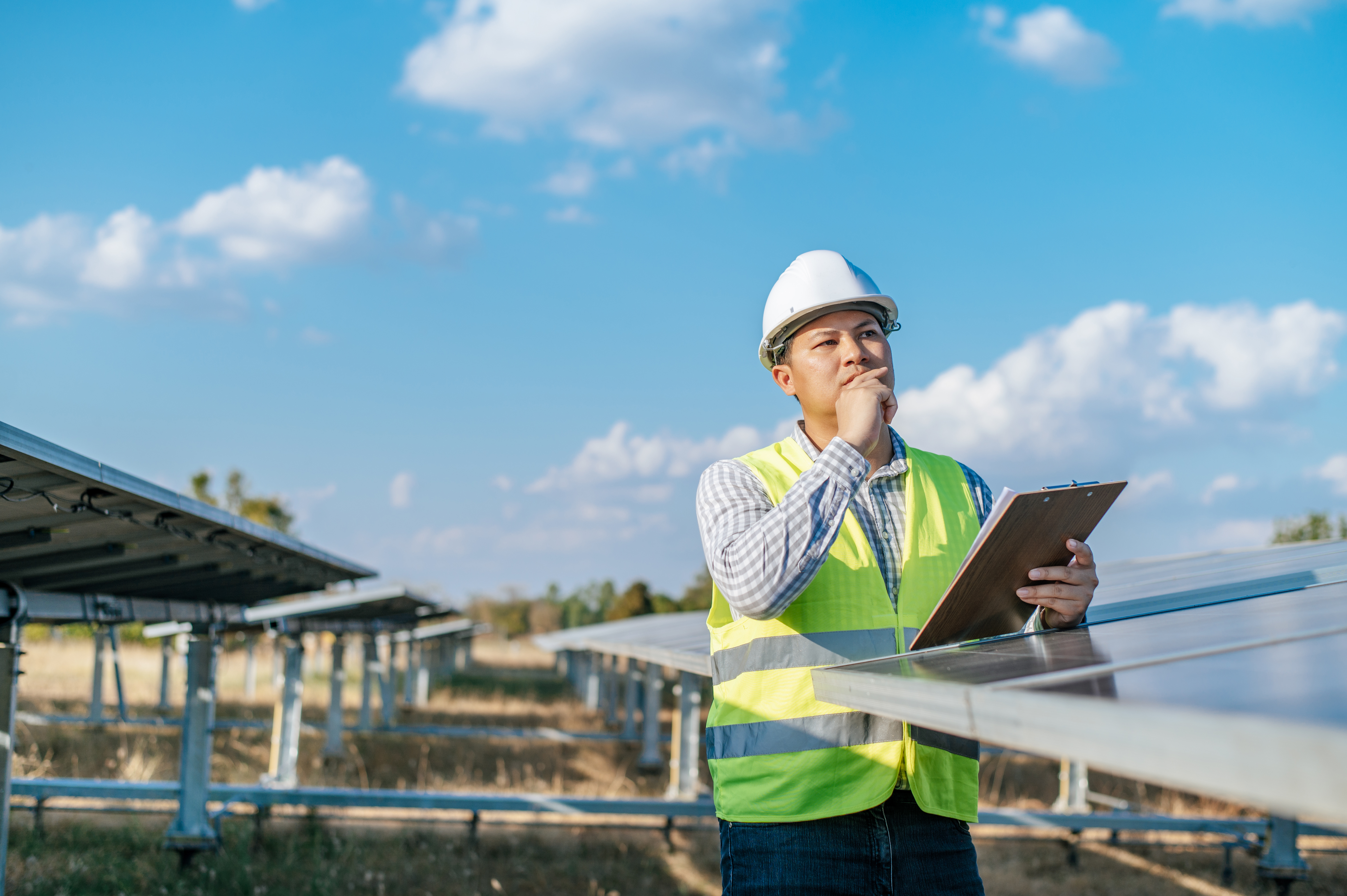
There was a time when workplace safety relied heavily on paperwork, checklists, toolbox talks, and a supervisor's experience. In some workplaces, that approach still survives. Folders sit in site offices. Incident reports are filed after the fact. Compliance records are updated when someone remembers.
For low-risk environments, that may still be manageable. For Australia's highest-risk industries, it increasingly looks like a gamble.
Mining, construction, manufacturing, transport, energy, logistics, and heavy industrial operations now operate under pressures that simply did not exist twenty years ago. Worksites are larger. Regulations are more demanding. Labour shortages persist. Equipment is more complex. Contractors move between sites constantly.
The old safety model was built around observation and paperwork. The problem is that hazards do not wait for paperwork.
The Growing Gap Between Risk and Response
One of the more uncomfortable realities facing many Australian businesses is that risk moves faster than people.
- A forklift enters a restricted zone.
- A worker forgets protective equipment.
- A fatigue-related error develops during a long shift.
- A machine begins operating outside normal parameters.
None of these events announce themselves politely. Manual systems are largely reactive by nature. Someone notices a problem. Someone records it. Someone reports it. Then action follows.
Sometimes that process works. Sometimes the delay is measured in minutes. Sometimes in days. The gap between an incident occurring and a response being triggered has become one of the biggest weaknesses in traditional workplace safety programs.
What makes this particularly difficult is that most organisations are not intentionally neglecting safety. Quite the opposite. Many invest significant time and money into compliance activities. Yet effort does not always equal visibility. A company can complete every required form and still miss what is happening on the ground.
Paper Compliance Does Not Always Mean Real Safety
There is an awkward conversation taking place across many high-risk sectors. Compliance and safety are not identical. They overlap, certainly. They should support one another. But they are not the same thing.
A workplace may possess perfect documentation while still exposing workers to preventable hazards. Manual systems often focus on proving that procedures exist. What they struggle with is verifying whether those procedures are being followed consistently throughout a shift, across multiple locations, and by hundreds of workers.
Human beings have limits. Attention drifts. Reports get delayed. Inspections vary depending on who performs them. Even highly experienced managers can only observe so much at any given moment.
This is where discussions around AI automation for workplace safety have started gaining traction. Not because organisations suddenly want futuristic workplaces, but because many are discovering that traditional monitoring methods leave too many blind spots. The technology is not replacing safety professionals. In most cases, it is helping them see what they could never realistically monitor alone.
When Worksites Become Too Complex for Manual Oversight
Large industrial sites are surprisingly difficult to supervise effectively. A single mining operation may involve heavy machinery, contractors, vehicle movements, confined spaces, fatigue management requirements, environmental controls, and constantly changing conditions.
Construction projects face similar challenges. Every day introduces new variables. Different trades arrive. Equipment changes location. Site layouts evolve. Temporary hazards emerge and disappear. The complexity itself becomes a risk factor.
Managers often spend enormous amounts of time collecting information rather than acting on it. On paper, manual monitoring sounds thorough. In practice, it becomes messy. Information arrives from multiple sources. Data is recorded in different formats. Incident reports may contain gaps. Near misses are not always reported. Safety observations depend heavily on worker participation.
The result is a fragmented picture. Not necessarily an inaccurate one. Just incomplete. And incomplete information has a habit of producing false confidence.
Real-Time Awareness Changes the Equation
The appeal of AI and automation in high-risk industries is relatively straightforward. It allows organisations to move from periodic visibility to continuous visibility. Instead of discovering problems during a weekly review meeting, businesses can identify risks while they are developing.
Sensors, connected equipment, video analytics, wearable devices, and predictive monitoring systems can detect patterns that would be difficult for human observers to recognise consistently:
- Fatigue indicators
- Unsafe movement patterns
- Equipment anomalies
- Restricted-zone breaches
- Environmental changes
Some of these signals appear subtle when viewed individually. Together, they may indicate a developing safety concern. That does not mean technology catches everything. It won't. No system does. But it can reduce the amount of uncertainty organisations operate with, and that reduction matters — particularly when consequences involve serious injuries or fatalities.
The Cost Argument Is Beginning to Shift
For years, one of the strongest objections to advanced safety technology was cost. The investment appeared difficult to justify. That argument is becoming harder to sustain.
Workplace incidents are expensive in ways that accounting systems rarely capture completely — lost productivity, investigation time, insurance impacts, project delays, reputational damage, staff turnover, and legal consequences. The visible expenses are only part of the picture. The less visible costs often linger much longer.
Many organisations now view AI automation for workplace safety less as a technology purchase and more as a risk management decision. Not every investment will deliver immediate savings. Some benefits are difficult to measure directly. Preventing an incident rarely creates a line item on a financial report. Yet avoiding a serious event can alter the trajectory of an entire project.
Compliance Expectations Continue to Rise
Australian regulators increasingly expect organisations to demonstrate active risk management rather than passive documentation. That expectation is significant. Historically, compliance often centred on proving policies existed. Today, there is greater emphasis on evidence that hazards are being identified, monitored, and addressed in a meaningful way.
This shift has contributed to growing interest in AI for automation in workplace compliance. Automated monitoring systems can create more consistent records, reduce reporting delays, and provide stronger audit trails. Again, technology is not a substitute for governance. It simply reduces the chances that important information slips through administrative cracks. And those cracks tend to widen as operations scale.
Why Human Expertise Still Matters
There is a tendency in some discussions to frame technology and people as opposing forces. That interpretation misses the point. The most effective safety programs are rarely fully manual or fully automated. They combine human judgement with better information.
A site supervisor understands context in ways software never will. An experienced safety manager recognises cultural issues that data alone cannot explain. Workers themselves often identify practical hazards before anyone else notices them. Technology works best when it strengthens those capabilities rather than attempting to replace them.
Many of the strongest AI platforms for industrial safety are designed around that principle. They provide alerts, patterns, and visibility while leaving decision-making in human hands. That balance appears far more realistic than visions of completely autonomous safety management — at least for the foreseeable future.
The Industries Feeling the Pressure First
Not every sector faces the same urgency. Office environments naturally present different risks from industrial operations. The pressure is greatest where consequences are immediate and severe:
- Mining
- Construction
- Heavy manufacturing
- Oil and gas
- Transport and logistics
- Utilities
- Agricultural operations involving machinery
These industries already understand risk. They have lived with it for decades. What is changing is the expectation that preventable hazards should be detected earlier and managed more effectively than before. Technology is increasingly becoming part of that expectation — whether organisations feel enthusiastic about it or not.
A Question That Is Becoming Harder to Avoid
The conversation around workplace safety has shifted subtly over the past few years. The question used to be whether automation belonged in safety management. Now the question is often whether organisations can justify operating without it.
That may sound dramatic. Perhaps it is. Yet when risks are high, environments are complex, and regulations continue evolving, relying entirely on manual observation begins to look less like a conservative approach and more like an increasingly fragile one.
No technology eliminates risk. No platform guarantees safety. Anyone promising otherwise should probably be viewed with caution. Still, the direction of travel seems fairly clear. As workplaces become more demanding, the limits of manual systems become easier to see. And once those limits are visible, ignoring them becomes difficult.
For many Australian businesses operating in high-risk environments, AI automation for workplace safety is no longer a discussion about future possibilities. It is becoming part of how responsible risk management is carried out today. And in some sectors, perhaps sooner than many expected, it may simply become the standard.
Frequently Asked Questions
What is AI automation in workplace safety?
AI automation in workplace safety refers to the use of intelligent software and automated systems to monitor hazards, analyse workplace data and support safety decision-making. These tools help organisations identify risks earlier and respond faster than traditional manual processes alone.
How do AI platforms help high-risk industries in Australia?
High-risk sectors such as mining, construction, manufacturing, logistics and energy generate large amounts of safety data every day. AI platforms help by analysing this information in real time, identifying patterns and highlighting risks that may otherwise be missed. This gives safety teams greater visibility across complex operations.
Why are manual safety systems becoming outdated?
Manual safety systems often rely on paperwork, spreadsheets and human review. As workplaces become more complex, these methods can create delays, inconsistencies and missed warning signs. Many organisations are finding that manual processes alone can no longer keep pace with modern safety and compliance demands.
How can AI automation improve workplace safety in Australia's riskiest industries?
AI automation for workplace safety improves hazard detection, incident prevention and risk monitoring. By analysing information continuously, these systems can identify potential issues before they develop into serious workplace incidents, helping organisations create safer working environments.
Why are companies replacing manual safety systems with AI platforms?
Companies are increasingly moving towards digital safety solutions because AI platforms provide faster insights, greater accuracy and improved visibility across operations. Instead of waiting for manual reports to be reviewed, managers can access real-time information that supports quicker decision-making.
How do automation and AI reduce workplace incidents and compliance risks?
Automation and AI reduce workplace incidents by identifying emerging risks, monitoring equipment performance and tracking safety trends. They also help businesses maintain accurate records and complete compliance tasks on time, lowering the risk of regulatory breaches.
How can automation and AI improve compliance management?
Automation simplifies compliance by tracking inspections, managing documentation and monitoring regulatory requirements. AI for automation in workplace compliance helps organisations stay organised while reducing the administrative burden placed on safety and compliance teams.
Can intelligent technology solutions lower operational and matter cost expenses?
In many cases, intelligent safety technologies help reduce operational and matter-related costs by preventing incidents before they occur. Fewer workplace incidents can lead to lower investigation expenses, reduced downtime, fewer legal complications and improved overall productivity.